Aviation Switching Module – NSN 4920-01-250-2696 (AS-IS / Untested): Aircraft Switching Equipment for Parts or Evaluation
Aviation Switching Module – NSN 4920-01-250-2696 (AS-IS / Untested): Aircraft Switching Equipment for Parts or Evaluation
Blog Article
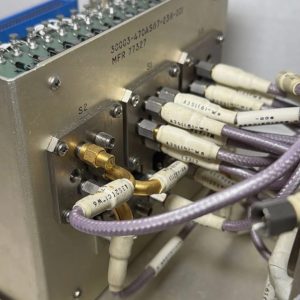
The Aviation Switching Module – NSN 4920-01-250-2696 (AS-IS / Untested) may be suitable for bench evaluation, training displays, component research, restoration work, parts harvesting, or inventory replacement after exact application verification.
The Aircraft Switching Module offers potential maintenance or restoration value, while the Aerospace Switching Module must be inspected for condition, completeness, modification, and storage-related deterioration.
An Aircraft Electrical Switching Module, Aviation Electrical Control Module, Aircraft Power Switching Module, Aerospace Electrical Control Unit, and Aircraft Signal Switching Module may describe related switching or control functions, but the exact purpose of this NSN should be verified before use.
Whether described as an Aviation Control Module, Aircraft Switching Unit, Aerospace Power Distribution Module, Aircraft Electrical Control Unit, or Aviation Power Control Module, the component should remain identified primarily by its NSN and physical markings.
Why NSN Verification Matters
NSN 4920-01-250-2696 should be compared with the data plate, manufacturer number, contract markings, serial number, connector layout, and available documentation on the actual unit.
Military or aviation-surplus components may carry replacement numbers, superseded numbers, modification markings, or contract identifiers that assist research.
AS-IS Aerospace Equipment Considerations
AS-IS and untested means the module is offered without confirmation that it powers on, switches circuits, communicates with associated equipment, meets specifications, or performs its original function.
Improper voltage, polarity, grounding, current, signal input, or connector pin assignment can damage the module and connected equipment.
Choosing an Aircraft Switching Module
Application accuracy protects buyers from assuming that a broadly named Aircraft Switching Module will fit their project.
External controls may include switches, selectors, indicators, circuit positions, covers, labels, or connection ports depending on the exact configuration.
Rugged Aviation Module Design
Age, handling, impact, humidity, temperature changes, contamination, and long-term storage can affect both mechanical and electrical condition.
Protective caps should remain installed during storage and shipping when available.
Inspecting Aviation Module Wiring
A burnt odor, melted material, soot, or arcing marks should be disclosed clearly.
If the enclosure is opened for professional inspection, the process should be documented with photographs and organized hardware control.
Aviation Module Interface Considerations
Professional research should occur before any attempt to connect the Aviation Electrical Control Module.
Control labels and switch legends can provide useful clues, but they should not be used as the only source of technical identification.
Choosing an Aircraft Power Switching Module
Current capacity, voltage, duty cycle, contact type, protection requirements, and load characteristics should be confirmed before testing.
Accurate reporting protects buyers seeking an Aircraft Power Switching Module for repair, parts, or research.
Aerospace Module Troubleshooting
Visual inspection, continuity checks, insulation review, component identification, and controlled testing may form part of a professional evaluation.
Undocumented modifications can make future troubleshooting and identification more difficult.
Aviation Signal Routing Equipment
An incorrect connection may damage sensitive electronics even when the module itself receives little power.
The module should not be modified with unshielded wiring or improvised connectors solely for convenience.
Aviation Control Module Applications
An Aviation Control Module should be treated as one component within a larger system rather than a standalone universal controller.
A matching NSN or housing does not always confirm identical internal configuration when modifications or supersessions exist.
Commercial Value of an Untested Switching Unit
The unit can provide parts, reference information, display value, training opportunities, or a candidate for professional restoration.
The equipment should remain clearly labeled as untested and unsuitable for operational installation without evaluation.
Power Distribution Module Inspection
A module should not be loaded electrically until contact condition, insulation, wiring, and circuit configuration are understood.
Additional mounting holes should not be drilled until the component application is established.
Choosing an Aircraft Electrical Control Unit
Documented condition improves confidence among buyers of legacy Aircraft Electrical Control Unit equipment.
Unknown circuits should not receive voltage simply because a connector pin appears to be a power input.
Untested Aviation Power Equipment
An Aviation Power Control Module can have specialized applications within aircraft systems, aerospace ground equipment, maintenance platforms, or test installations.
Warning labels should remain visible and legible.
Aircraft Electronic Switching System Integration
System diagrams can help identify required inputs, outputs, grounds, control logic, and companion components.
The module should not be blamed until related wiring and equipment are considered where the original system is available.
Aerospace Switching Unit Storage and Handling
The unit should not be stacked beneath heavy equipment or left on conductive surfaces.
Loose accessories should be wrapped separately and inventoried before packaging.
Choosing an Aircraft Electrical Module
Commercial evaluation should focus on total project suitability rather than the purchase price alone.
Unknown information should remain clearly identified as unknown.
Aerospace Module Pre-Purchase Inspection
The AS-IS and untested condition should appear clearly within the title, description, invoice, and transaction terms.
- Resolve identity, configuration, application, and package-completeness questions before payment.
- Do not interpret clean appearance, smooth switch movement, or intact labels as proof of electrical operation.
- Report shipping damage, missing accessories, identification differences, undisclosed repairs, or altered condition promptly.
Testing the Aviation Switching Module
A qualified technician may use controlled and current-limited equipment appropriate to the module design.
The test should stop immediately if overheating, smoke, arcing, excessive current, unstable operation, or unusual odor occurs.
Aerospace Module Component Replacement
Replacement parts should be selected more info according to electrical rating, mechanical fit, material, environmental requirements, and original design intent.
A repaired module may still require system-level testing or additional qualification before installation.
Final Thoughts on the Untested Aircraft Switching Module
The Aviation Switching Module – NSN 4920-01-250-2696 (AS-IS / Untested) offers stronger commercial appeal when its markings, controls, connectors, enclosure, accessories, history, and limitations are documented accurately.
Careful technical and commercial evaluation can reduce equipment damage, incompatible purchases, missing-accessory costs, testing hazards, and restoration delays.
Whether the product is described as an Aircraft Switching Unit, Aerospace Power Distribution Module, Aircraft Electrical Control Unit, or Aviation Power Control Module, AS-IS limitations should remain clear.
With complete evaluation and continued care, the Aviation Switching Module – NSN 4920-01-250-2696 (AS-IS / Untested) can deliver a professional combination of restoration potential, component value, technical interest, and aerospace-equipment relevance.
Report this page